2026 NFC East Pathways To IDP Fantasy Relevance

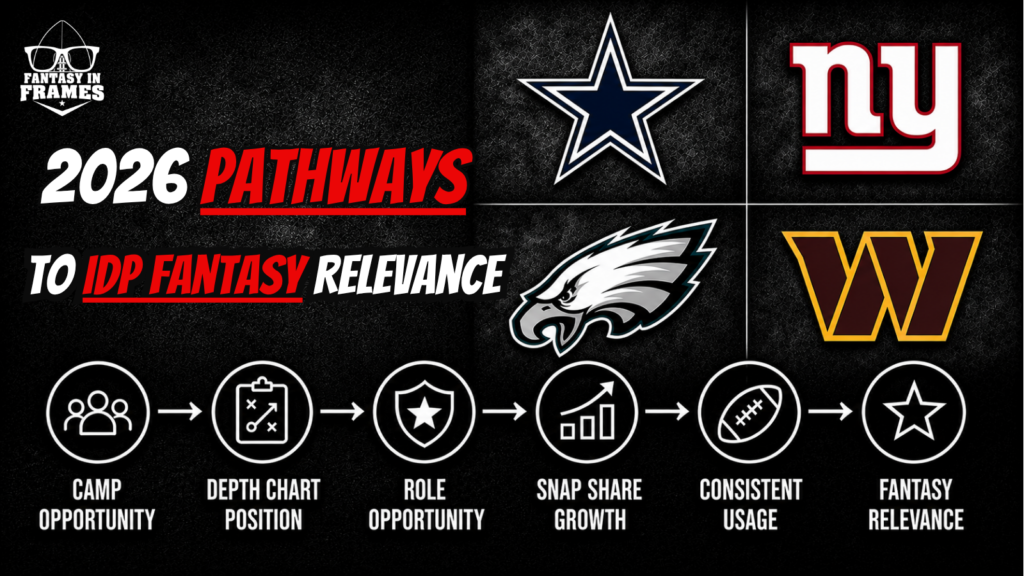
Welcome to our 2026 NFC East Pathways to IDP Fantasy Relevance breakdown, where we’ll be looking at first- through fourth-year defenders who have an opportunity to carve out fantasy relevance heading into the 2026 season.
Welcome to our 2026 NFC East Pathways to IDP Fantasy Relevance breakdown, where we’ll be looking at first- through fourth-year defenders who have an opportunity to carve out fantasy relevance heading into the 2026 season.
Batman Forever on the Sega Genesis came into my life a little differently than most of the games I’ve written about throughout this series. Instead of finding it at a video game store or garage sale, it was a birthday gift from my mom and dad. I absolutely loved the Batman Forever movie growing up, and Jim Carrey was already one of my favorite actors, so seeing him become The Riddler made the movie even better and added another layer of depth to funny guy Carrey’s career. Between Carrey’s over-the-top performance, Tommy Lee Jones as Two-Face, and Val Kilmer taking over as Batman, it quickly became one of my favorite superhero movies as a kid.
Naturally, I couldn’t wait to play the game. What I didn’t know was that Batman Forever wasn’t anything like the other Sega Genesis games I had grown up playing. It looked like a side-scrolling beat ’em up at first, but it was much more. Every level mixed combat with exploration, puzzles, gadgets, and platforming.
You fought your way through places like Gotham City streets, the subway, the circus, and other locations from the movie while battling Two-Face’s gang, the Riddler’s henchmen, and a handful of enemies that seemed impossible to beat as a kid. One enemy I still remember to this day is Buzzsaw. If you weren’t careful, he’d launch his spinning blade or catch you up close and wipe out what felt like half your health bar.
The controls were another challenge entirely. I only had the original three-button Genesis controller, and I eventually found out this game was really designed around the newer six-button controller. Using Batman’s gadgets, especially the grappling hook, required button combinations that never seemed to come naturally. Half the time I’d hit the buttons correctly, and the move still wouldn’t work. It was frustrating, but it also made finally figuring something out feel like a real accomplishment.
My dad would sometimes play with me after he got home from his graveyard shift, before I left for school. I’d always be Batman while he’d pick Robin and swing his staff around, trying to clear out rooms full of enemies. Even together, though, the game was incredibly difficult. We only ever managed to reach the end of the second level.
On my own, I eventually fought my way to the fourth stage, but there were no save points. If I wanted to keep my progress, I’d literally leave my Sega Genesis running all day at school and hope nobody turned it off. Most of the time I’d come home, get stuck on the same level, and have to start all over again.
Looking back, Batman Forever was probably the first game that taught me persistence. You couldn’t simply overpower every level. You had to learn the controls, memorize enemy patterns, understand when to use each gadget, and slowly improve every time you picked up the controller. Every stage presented a different challenge, and every mistake forced you to adjust before moving forward.
That feels a lot like the NFC East entering the 2026 season. Every defense in this division presents a different challenge. Philadelphia continues setting the standard with one of the league’s deepest rosters. Washington has quickly developed into a legitimate contender with an exciting young core. Dallas seems set on offense, but their real challenge lies in reloading around another wave of defensive talent, while the Giants are searching for the next generation of players who can help change the franchise’s direction.
Just like in Batman Forever, there isn’t a single solution that works for every obstacle. Every team has its own path, and for IDP managers, identifying those young defenders before everyone else is what can separate a championship roster from the rest of the league.
Before diving into each NFC East roster, here is a quick breakdown of the labels used throughout the article:
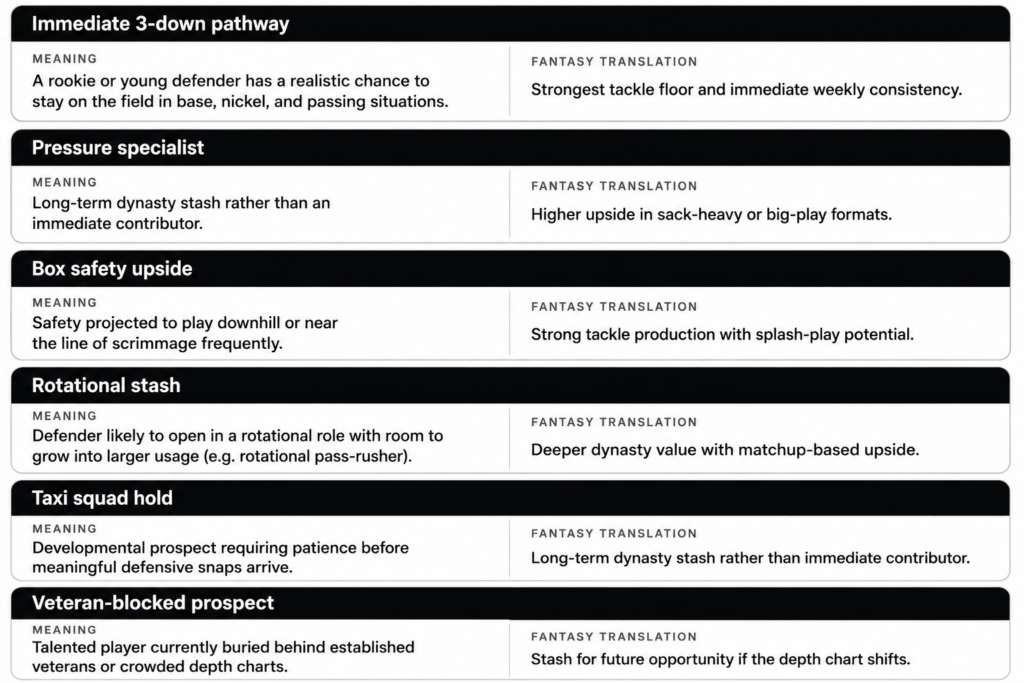
Now that we have the terminology down, let’s go down the 2026 NFC East Pathways to IDP Fantasy Relevance.
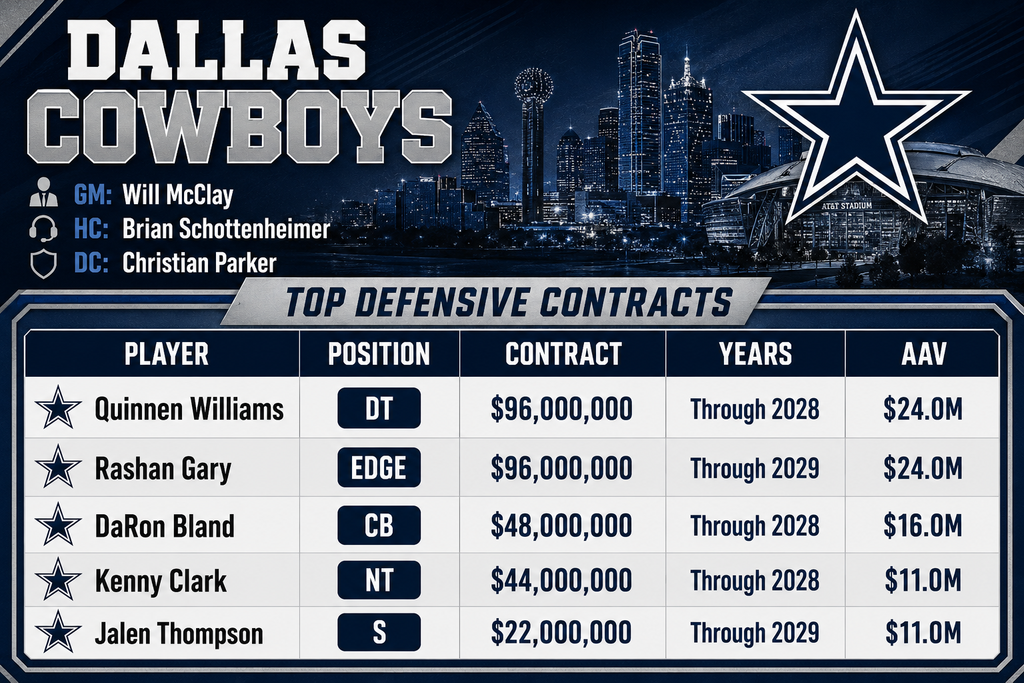
The Dallas Cowboys enter 2026 with a defense that looks much different than it did just a few seasons ago. While several established veterans continue to anchor the unit, Dallas has quietly reshaped nearly every level of the defense through trades, free agency, and the NFL Draft. The result is a roster that blends proven production with one of the more intriguing collections of young defenders in the NFC East. Under first-year defensive coordinator Christian Parker, the Cowboys will rely on several first- through fourth-year players to step into significant roles while continuing to build around an experienced veteran foundation.
What separates Dallas from some of the other teams in this division is the balance throughout the roster. The Cowboys aren’t rebuilding, but they also aren’t relying solely on aging veterans to carry the defense. Young contributors like DeMarvion Overshown, Donovan Ezeiruaku, Caleb Downs and Malachi Lawrence all have opportunities to become long-term cornerstones, while several developmental players continue working their way toward larger roles. If Dallas’ recent investments continue to develop, this defense has the potential to remain one of the more productive and fantasy-friendly units in the conference.
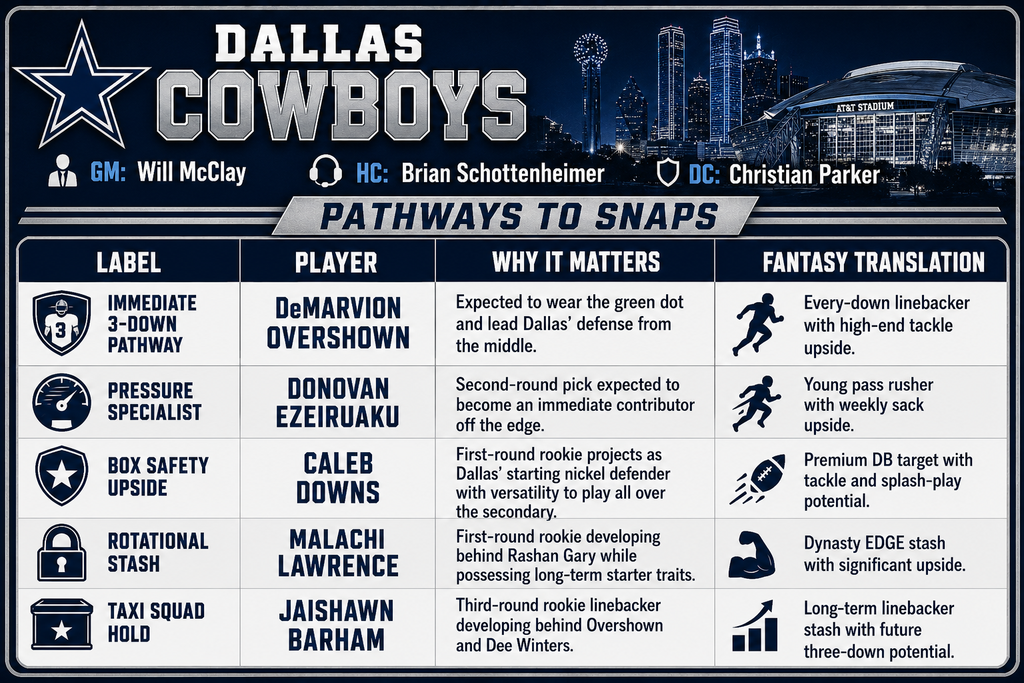
Dallas enters 2026 looking much different defensively than it has in recent years. While the organization aggressively rebuilt the defensive front through trades and free agency, the Cowboys also continued to invest premium draft capital in younger defenders expected to become the next core of the unit. Christian Parker inherits a defense with a healthy mix of proven veterans and ascending talent, giving Dallas an opportunity to remain competitive while developing several first- through fourth-year contributors.
The centerpiece of that youth movement is DeMarvion Overshown. After overcoming significant injuries early in his career, the former third-round pick now appears ready to take over as Dallas’ defensive signal-caller. Entrusted with the green dot, Overshown has a clear pathway to every-down snaps and should immediately become one of the better tackle producers in the NFC East. His athleticism allows him to impact the game sideline to sideline, making him one of the safest linebacker projections in this division.
Dallas also added another exciting young pass rusher in Donovan Ezeiruaku in the 2025 NFL Draft. The former second-round selection joins a veteran edge room led by Rashan Gary but should see opportunities early as part of Christian Parker’s rotation. His first step and pass-rush ability give him legitimate sack upside from Day 1, while fellow first-round rookie Malachi Lawrence provides another high-upside developmental piece behind Gary. Lawrence may begin the year as a rotational contributor, but his long-term outlook makes him an attractive dynasty stash as Dallas continues building its future along the edge.
The secondary received a major boost with the addition of Caleb Downs. Although listed as the starting nickel defender, Downs brings the versatility to line up throughout the secondary, something that should keep him around the football on a consistent basis. That role gives him one of the highest fantasy ceilings among rookie defensive backs, particularly in tackle-heavy scoring systems where slot defenders often thrive.
Additional names worth monitoring include Dee Winters, who currently projects as Dallas’ second linebacker and should see meaningful defensive snaps alongside Overshown. Marist Liufau continues to provide valuable depth and special-teams contributions while remaining available if injuries strike the linebacker room. Fourth-round rookie LT Overton is another developmental edge rusher worth watching as he works behind the veterans and continues refining his game. His pathway to immediate snaps may be limited, but Dallas has shown a willingness to develop young pass rushers over time.
The Cowboys have quietly assembled one of the younger defensive foundations in the NFC East. Overshown appears ready to lead the linebacker corps, Ezeiruaku and Lawrence give Dallas another wave of pass-rushing talent, and Downs has the potential to become one of the league’s more productive young defensive backs. If this group develops as expected, Dallas could once again field one of the more fantasy-friendly defenses in football while remaining firmly in the NFC playoff picture.
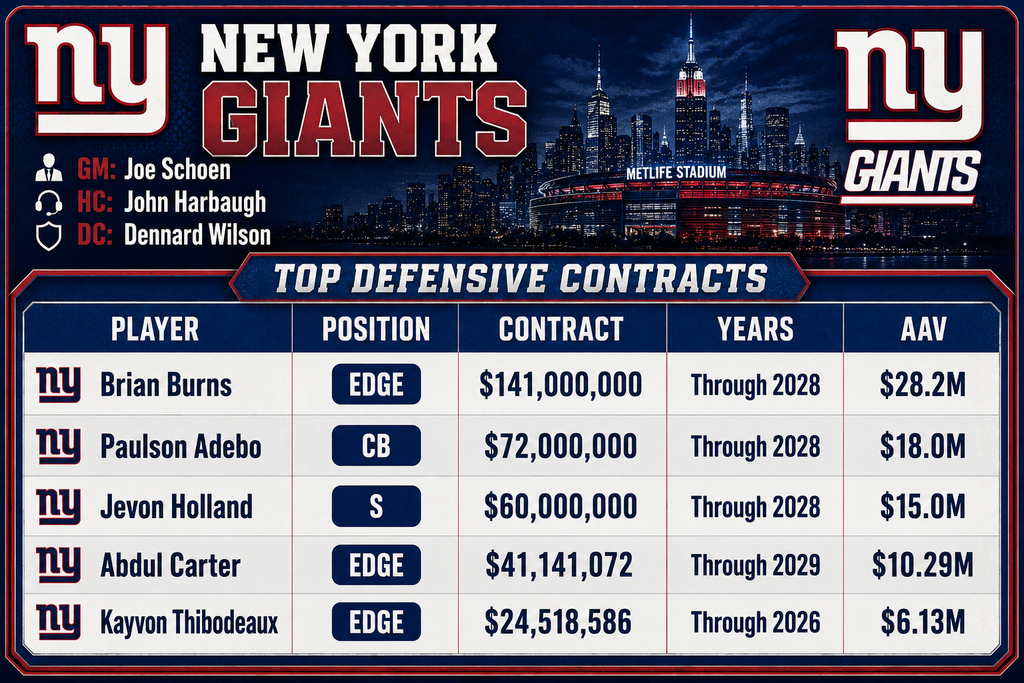
The New York Giants enter 2026 with one of the youngest and most intriguing defenses in the NFC East. Joe Schoen has spent the past several offseasons rebuilding this side of the ball through both the draft and free agency, surrounding established veterans with an influx of young talent that now spans every level of the defense. While the Giants are still searching for consistency, there is no shortage of developmental pieces capable of becoming future fantasy contributors if everything comes together under Dennard Wilson.
Unlike some of the other teams in this division, the Giants aren’t lacking talent. Instead, they’re trying to fit all of the pieces together. Brian Burns, Jevon Holland and Paulson Adebo provide veteran leadership, while recent draft picks are expected to become the next wave of impact defenders. If those younger players continue progressing, New York could quietly field one of the more exciting defensive units in the conference over the next few seasons.
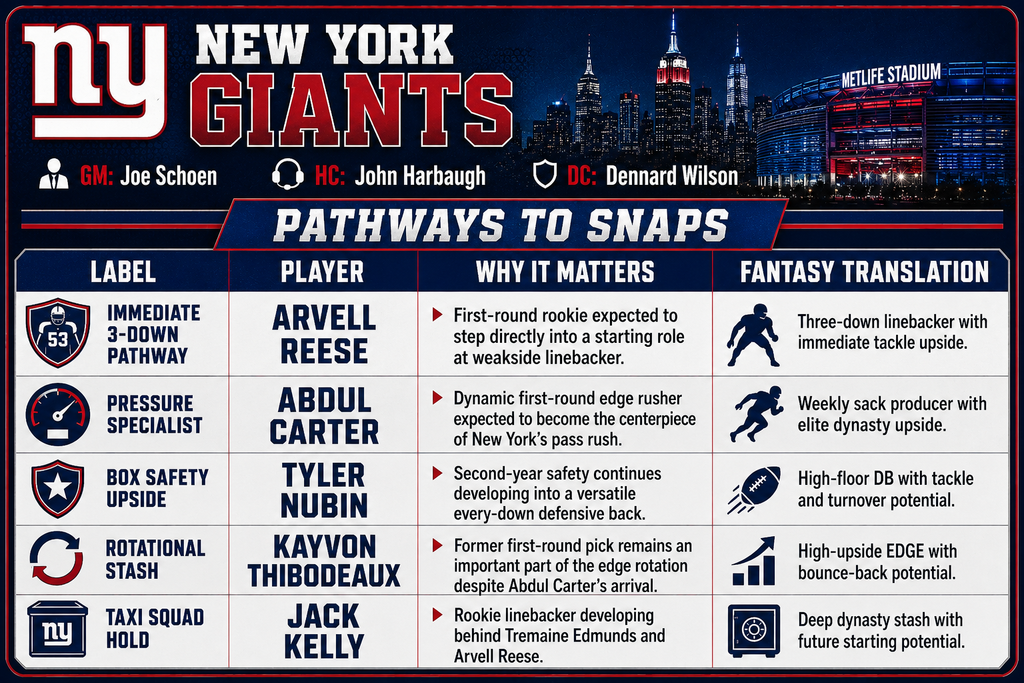
Arvell Reese headlines New York’s young defensive core after being selected in the first round of the 2026 NFL Draft. The Giants wasted little time inserting him into the starting lineup alongside Tremaine Edmunds, giving Reese one of the clearest pathways to every-down snaps in this division. His combination of range, athleticism, and downhill playmaking ability should immediately put him on the radar for IDP managers looking for rookie linebackers capable of producing from Day 1.
The pass rush remains the strength of this defense, and Abdul Carter appears ready to become its next star. The former first-round pick joins an edge room that already features Brian Burns and Kayvon Thibodeaux, giving Dennard Wilson one of the more talented pass-rushing groups in the conference. Carter’s explosiveness and versatility should allow him to contribute immediately, while Thibodeaux remains an intriguing rotational stash entering the fourth year of his career. Although Carter’s arrival changes the long-term outlook of the position, Thibodeaux still possesses the talent to carve out a meaningful role and provide fantasy value if he capitalizes on his opportunities.
The secondary is quietly becoming one of the younger groups in the NFC East. Tyler Nubin enters his second season as the projected starting strong safety after flashing promising instincts during his rookie campaign. His ability to play near the line of scrimmage and contribute against both the run and pass gives him one of the better fantasy outlooks among young defensive backs in the division. Meanwhile, Dru Phillips continues to settle into the starting nickel role, giving the Giants another young defensive back capable of producing in tackle-heavy scoring formats.
Outside corner is another position worth watching. Colton Hood, one of my favorite cornerbacks in the 2026 draft class, begins his career behind Greg Newsome II but has all the tools to eventually compete for a larger role. On the opposite side, former first-round pick Deonte Banks will look to rebound after an inconsistent start to his career, while 2025 third-round defensive tackle Darius Alexander continues developing into a larger role along the defensive front.
Additional names worth monitoring include rookie linebacker Jack Kelly, who will spend the early portion of his career developing behind Reese and Tremaine Edmunds, along with sixth-round nose tackle Bobby Jamison-Travis, who could eventually work his way into the defensive tackle rotation in DT-premium and True Position leagues. Darius Muasau also provides valuable linebacker depth, giving the Giants several developmental options behind their projected starters.
The Giants have spent the last few years collecting talented young defenders, and 2026 may finally be the season where those investments begin paying off. Reese, Carter and Nubin each have clear pathways toward becoming foundational pieces, while Thibodeaux, Hood and several other young contributors provide additional upside throughout the roster. If this group develops the way New York hopes, the Giants could surprise plenty of people with one of the NFC’s most improved defenses.
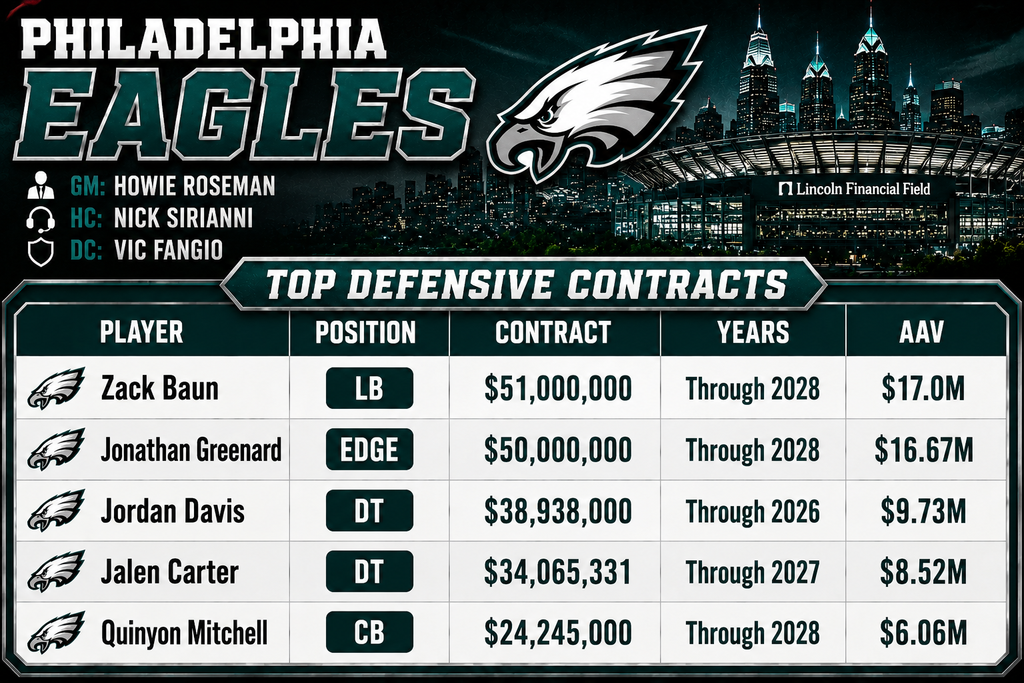
The Philadelphia Eagles enter 2026 as the standard every team in the NFC East is trying to reach. Year after year, Philadelphia finds a way to replace departing veterans with young talent without taking a significant step backward. Whether through the draft or player development, the Eagles have built one of the league’s premier defensive pipelines, allowing them to remain contenders while consistently introducing new contributors into key roles. That philosophy once again puts several first- through fourth-year defenders in position to make meaningful fantasy impacts this season.
Unlike many of the teams featured throughout this series, Philadelphia doesn’t ask its young defenders to sit and wait for opportunities. Players are developed with a purpose, and when a veteran departs, the next man is usually ready to step into a starting role. From the defensive front to the secondary, the Eagles continue to reload rather than rebuild, making this one of the deepest collections of young defensive talent in football.
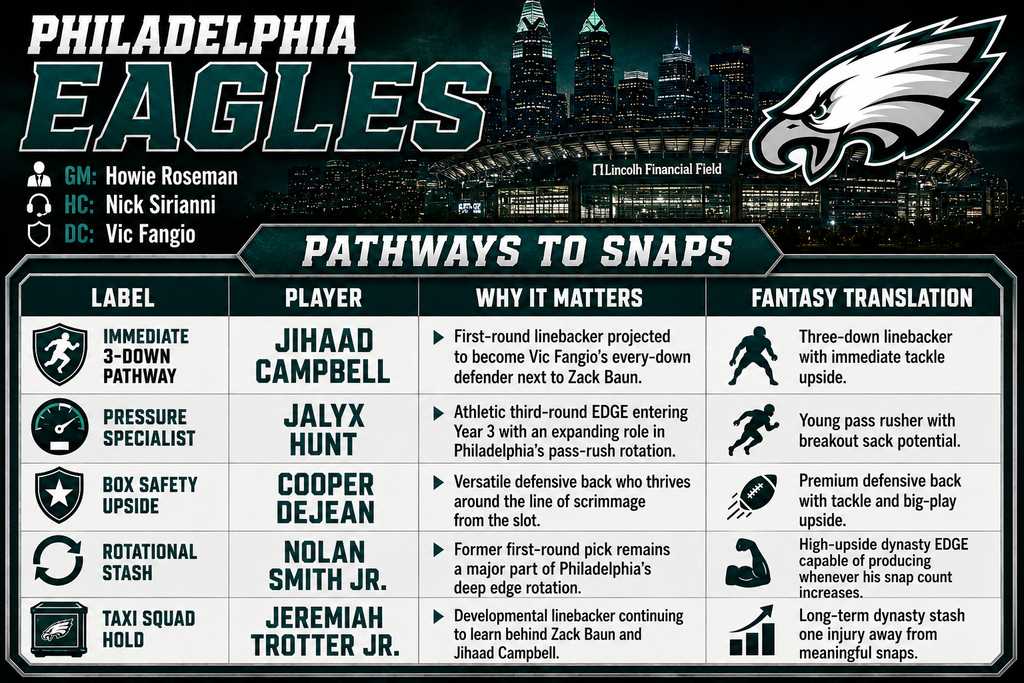
Philadelphia’s next linebacker appears to be Jihaad Campbell. The former first-round pick walks into one of the league’s better defensive environments under Vic Fangio and already projects to start alongside Zack Baun. Campbell possesses the athletic profile teams covet at linebacker, and with a clear pathway to every-down snaps, he immediately becomes one of the more appealing rookie linebackers for IDP managers. Jeremiah Trotter Jr. remains another intriguing name in the room, though his pathway to defensive snaps is currently blocked while he continues developing behind the starters.
The Eagles continue to reload along the edge, where Jalyx Hunt enters the season looking to build upon an encouraging rookie campaign. Hunt’s role should continue expanding within one of the NFL’s deepest pass-rushing rotations, giving him an opportunity to become Philadelphia’s next breakout EDGE defender. Nolan Smith Jr. also remains firmly in the picture despite moving into more of a rotational role behind Jonathan Greenard. Smith has already flashed his pass-rushing ability and still carries plenty of long-term upside as part of Fangio’s rotation.
Cooper DeJean has already developed into one of the NFL’s premier young defensive backs. Whether lined up in the slot or moving closer to the line of scrimmage, DeJean consistently finds himself around the football, making him one of the safest defensive back investments in fantasy football. Outside, Quinyon Mitchell has quickly established himself as one of the league’s better young cornerbacks, giving Philadelphia another cornerstone piece in an already talented secondary.
Philadelphia’s defensive line continues to churn out young contributors as well. Moro Ojomo steps into a larger role after patiently developing behind veteran talent, while Ty Robinson offers intriguing upside in defensive tackle premium and True Position leagues as he develops behind Jordan Davis. The Eagles have consistently shown a willingness to rotate defensive linemen, creating opportunities for younger players to contribute earlier than they might elsewhere.
Additional names worth monitoring include second-round safety Andrew Mukuba, who provides valuable depth behind Marcus Epps while continuing his development, along with fifth-round cornerback Mac McWilliams, who sits behind Quinyon Mitchell and Riq Woolen. Seventh-round safety Cole Wisniewski and seventh-round edge rusher Keyshawn James-Newby are also developmental prospects who will look to establish themselves throughout training camp and the preseason.
Philadelphia has built one of the NFL’s premier developmental systems, and the 2026 roster is another example of that philosophy. Campbell, Hunt and DeJean headline the next generation of contributors, while players like Nolan Smith Jr., Mukuba and Trotter continue waiting for larger opportunities. For IDP managers, few organizations consistently produce young defensive talent quite like the Eagles, making this a roster worth monitoring year after year.
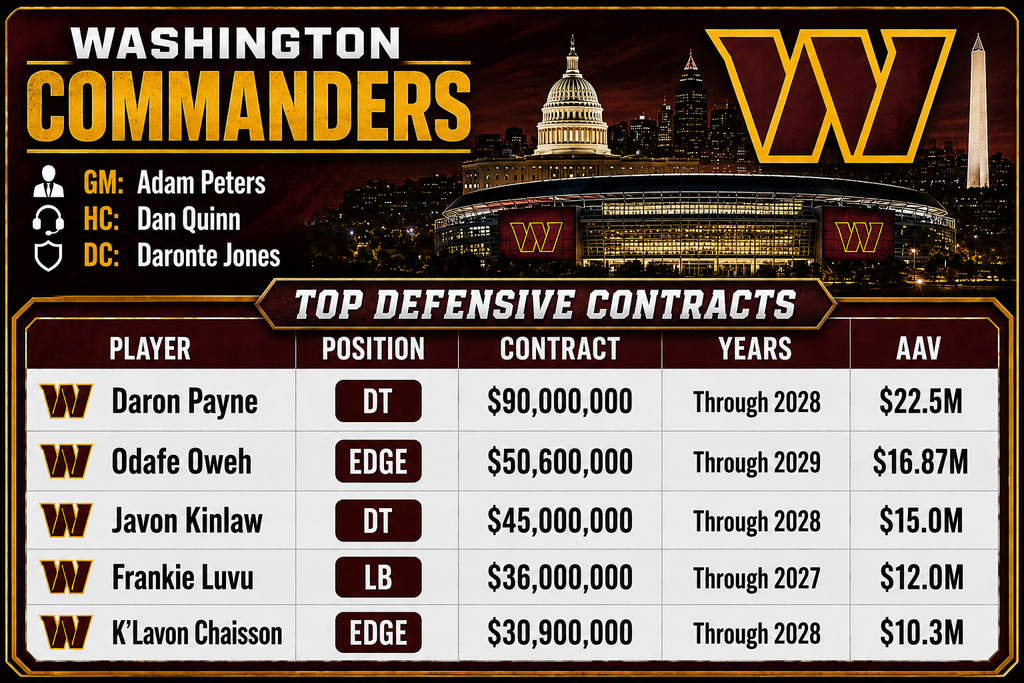
The Washington Commanders enter 2026 with one of the more exciting young defenses in the NFC East. After several seasons of roster turnover, Adam Peters and Dan Quinn have begun establishing a clear identity built around speed, physicality, and versatility. The veteran core remains intact, but Washington has steadily infused the roster with young defenders who are expected to become the next foundation of the franchise. Unlike previous years, the Commanders are no longer searching for building blocks—they’re developing them into starters.
That youth movement is especially noticeable at linebacker and throughout the secondary, where several first- through fourth-year players are positioned to take on expanded roles. With an aggressive defensive scheme and multiple young defenders competing for playing time, Washington offers plenty of intriguing options for IDP managers looking to get ahead of the next breakout.
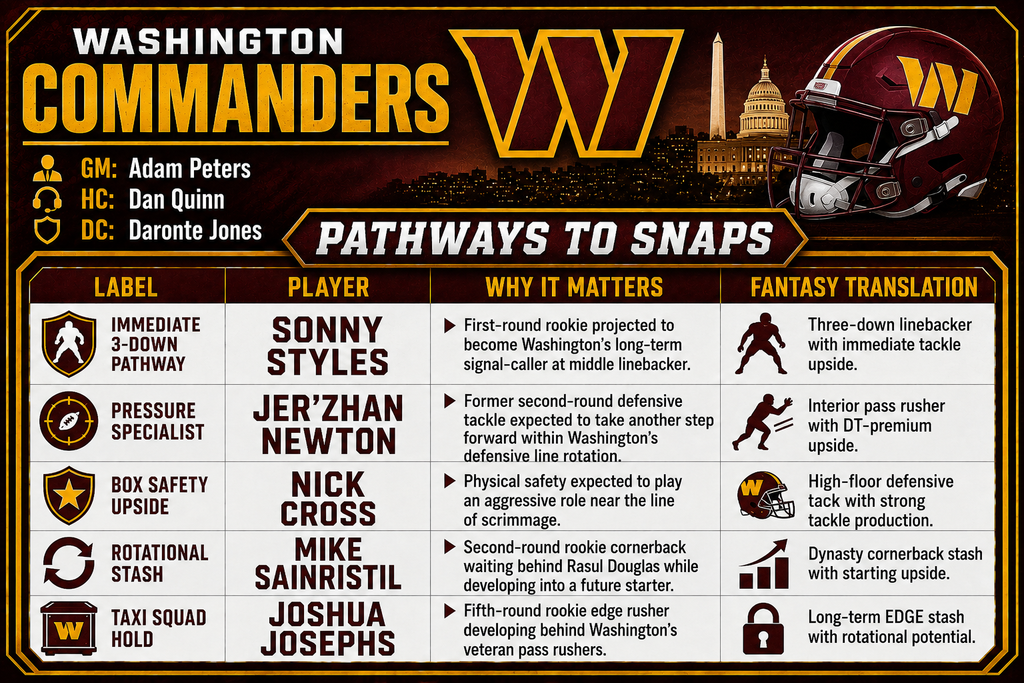
Washington’s future at linebacker begins with Sonny Styles. The former first-round pick arrives with the athleticism and versatility to become the centerpiece of this defense, and his pathway to every-down snaps couldn’t be much clearer. With Frankie Luvu and Leo Chenal handling veteran responsibilities around him, Styles has an opportunity to grow into Washington’s defensive signal caller while producing immediately for IDP managers. His range and ability to impact plays in multiple phases of the game make him one of the more exciting rookie linebackers in this series.
Up front, Jer’Zhan Newton continues progressing after entering the league as one of the top interior defensive line prospects in his class. While Daron Payne remains the established veteran, Newton has the tools to become a disruptive interior pass rusher capable of producing in both traditional IDP and defensive tackle premium formats. His continued development could give Washington one of the more dangerous interior-line combinations in the NFC.
Nick Cross headlines the secondary from a fantasy perspective. His physical play style and willingness to attack downhill should create consistent tackle opportunities, making him an attractive defensive back target. Washington also continues to build around one of the league’s better young cornerbacks, Mike Sainristil. Although now entrenched as an outside corner, Sainristil’s competitiveness, instincts, and playmaking ability continue to make him one of the foundational pieces of the Commanders’ secondary moving forward.
The cornerback room also features second-round rookie Trey Amos, who begins his career behind veteran Rasul Douglas. Amos has all the physical tools to eventually earn a starting role and remains one of the better long-term dynasty stashes at the position. Along the edge, seventh-round pick Javontae Jean-Baptiste continues to develop as a rotational pass rusher, showing enough promise to remain in Washington’s plans as valuable depth behind the veteran starters.
Additional names worth monitoring include fifth-round edge rusher Joshua Josephs, who will spend his rookie season learning behind an experienced edge rotation while competing for rotational snaps throughout the year. Washington has quietly assembled a deep collection of young defensive talent, and several of those players should continue earning larger roles as the season progresses.
The Commanders have officially moved beyond the rebuilding phase and into player development. Styles looks capable of becoming the next leader of the defense; Newton continues to ascend along the interior; and the secondary features multiple young contributors already carving out important roles. If this group develops as expected, Washington could quickly become one of the more underrated IDP defenses in the NFC while continuing its climb in the NFC East standings.